How AI Can Help Freight Forwarders Recover Lost Margins
Freight forwarders have long invested in TMS platforms, automation, and digital tools to process more shipments with fewer manual steps. The promise has always been similar: handle more files per employee, reduce processing time and lower the cost per shipment.
But the bigger question is: “How much revenue is actually being captured from every shipment?”
A missed surcharge, an expired free-time window, or an incorrectly calculated customer rate can quietly eat into margins. This is where AI in freight forwarding is creating a bigger opportunity.
Beyond improving productivity, AI can help forwarders identify revenue leaks, improve billing accuracy, and protect shipment profitability. The real goal is to make sure the business earns what it should from the work it already handles. That’s what this blog is about.
The Productivity Promise Has Reached Its Limits
The freight forwarding industry has spent more than a decade investing in freight forwarding automation to improve productivity. TMS platforms have helped teams manage bookings, shipments, documentation, customer communication and billing through connected workflows.
But processing more shipments does not automatically mean earning more money from them.
A team might handle 500 shipments instead of 300. Yet if surcharges are missed, accessorial charges are not billed, or operational costs are not recovered, additional volume may bring very little improvement in profitability.
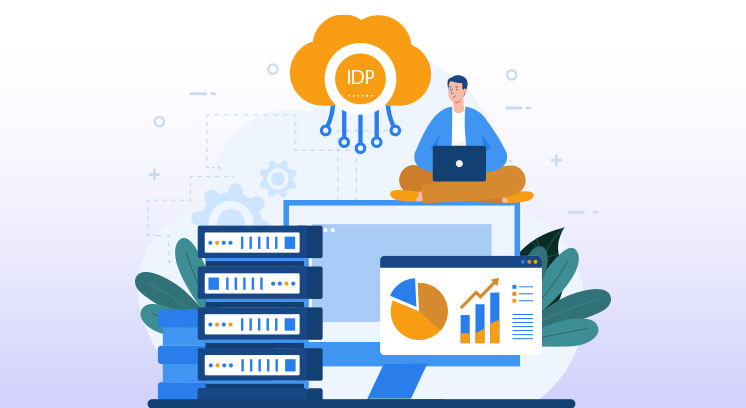
Forwarders need better control over the financial side of execution. This means identifying revenue leaks, validating shipment costs and making sure every applicable charge reaches the final invoice. AI and intelligent document processing (IDP) can help make that happen.
The Money Lost Between Booking and Billing
Every shipment involves several commercial and operational decisions. The quoted freight rate is only one part of the equation. Actual shipment execution can introduce additional costs and services that need to be tracked and billed correctly.
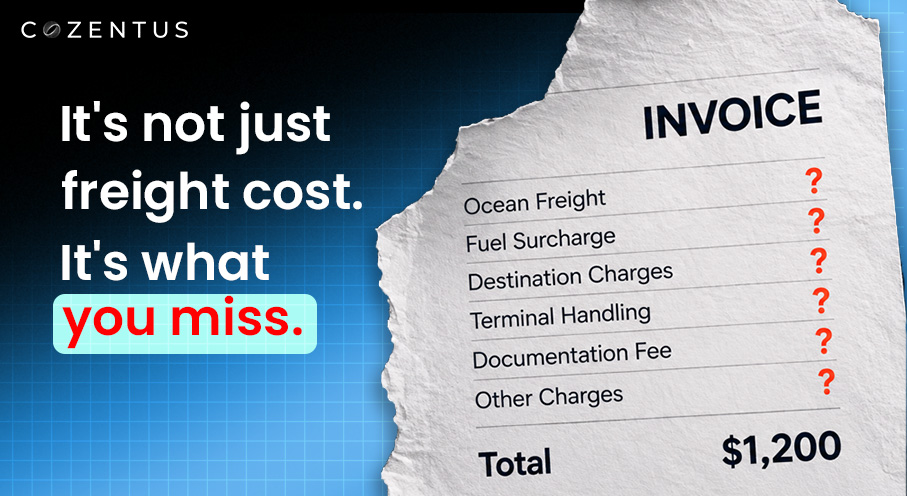
Consider a typical ocean freight shipment. Additional charges may include:
- Origin and destination charges: Terminal handling, documentation and local charges.
- Fuel surcharges: Charges linked to fuel costs and carrier pricing rules.
- Accessorial charges: Special handling, waiting time or additional transportation.
- Detention and demurrage: Charges when containers exceed agreed free time.
- Customs and documentation fees: Additional processing and documentation costs.
These details often sit across carrier invoices, customer contracts, rate cards, emails, and shipment records.
When teams rely only on manual checks, many charges can easily get missed. A service performed during execution may never reach the billing team. A rate may be applied incorrectly.
The shipment gets completed, but the revenue does not always follow.
Looking for Custom AI Solutions?
AI Can Make Every Surcharge Count
One practical application of AI in freight forwarding is AI-powered freight invoice auditing and automated charge identification.
AI-powered systems can extract information from carrier invoices, customer agreements, rate cards, and shipment documents. They can then compare these details against actual shipment activity.
For example, if a shipment attracts an additional handling charge, the system can check the customer agreement and flag whether the applicable amount has been included in billing.
It can also identify:
- Surcharges that have not been billed.
- Differences between contracted rates and actual charges.
- Services recorded in shipment documents but missing from invoices.
- Incorrect charge codes and billing amounts.
- Discrepancies between carrier invoices and customer billing records.
This gives finance and operations teams better visibility into what should be charged, what has been charged and what still needs attention. The result is better revenue capture and fewer billing gaps.
Free-Time Tracking is also a Margin Problem
Every container has specific free-time conditions based on carrier agreements, tariffs, and shipment arrangements. Once free time expires, additional charges start accumulating.
Tracking these deadlines across hundreds of containers can be quite a task. Teams often depend on spreadsheets, email reminders, and manual shipment updates to meet these deadlines.
AI-powered detention and demurrage management can connect shipment milestones, container events, carrier free-time terms, and applicable tariffs.
It can help teams:
- Calculate available free time for each container.
- Monitor approaching deadlines.
- Alert teams before free time expires.
- Estimate potential detention and demurrage exposure.
- Identify applicable charges that need customer recovery.
This helps forwarders act earlier, control avoidable costs, and ensure chargeable expenses are properly recovered.
Your Best Operator Should Not Be Your Only Safety Net
Every freight forwarding business has experienced operators who know what to look for, what can go wrong, and where additional costs can arise.
That knowledge is valuable, but relying on a few individuals might not be the best idea. New employees take time to learn, important decisions get delayed, and knowledge can quickly disappear when experienced people leave.
By combining large language models (LLMs), machine learning, Intelligent Document Processing (IDP) and business rules, AI systems can interpret unstructured documents, identify relevant information, and support decisions based on established commercial conditions.
Employees can then focus on exceptions, customer relationships, and decisions that require human judgement.
Measure AI by Margin Recovered, Not Just Hours Saved
Processing speed and employee productivity matter, but they do not show the complete financial impact of AI.
Freight forwarders should also measure:
- Revenue recovery: Previously missed charges identified and billed.
- Billing accuracy: Reduction in incorrect customer invoices.
- Margin per shipment: Improvement in actual shipment profitability.
- Detention and demurrage recovery: Applicable charges identified and recovered.
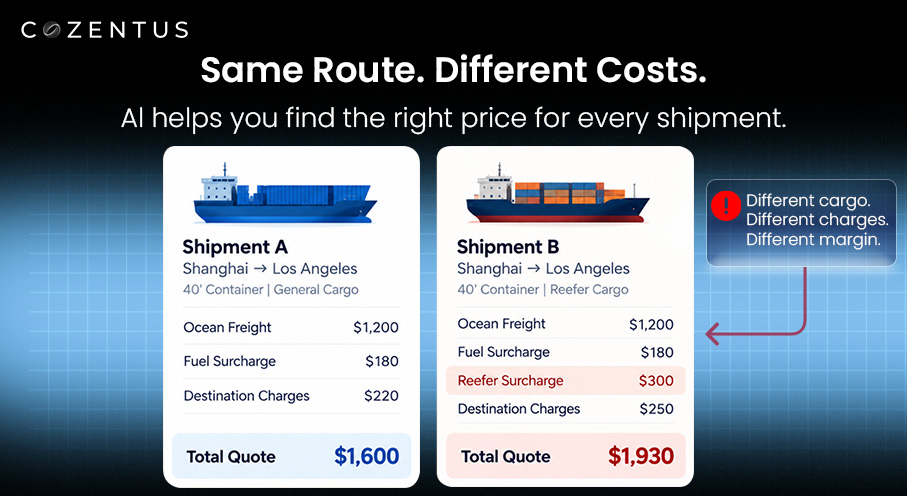
- Pricing accuracy: Reduction in quotations that overlook operational costs.
- Unbilled revenue: Completed services that have not been invoiced.
These metrics connect technology investments directly to business performance and show where AI is delivering financial value.
FAQs
1. How is AI used in freight forwarding?
Ans: AI helps automate document processing, shipment tracking, freight rate calculation, invoice validation and exception management. It can also identify missed charges and support better operational decisions.
2. How can AI help freight forwarders improve profitability?
Ans: AI helps identify unbilled surcharges, reduce billing errors, monitor detention and demurrage, validate carrier costs and improve quotation accuracy. This helps freight forwarders recover missed revenue and protect shipment margins.
3. How can freight forwarders reduce detention and demurrage costs?
Ans: Automated free-time monitoring tracks container milestones, calculates deadlines and alerts teams before free time expires. This helps prevent avoidable charges and improve cost recovery.