Identify Freight Fraud Through AI Shipment Monitoring & Carrier Vetting
Carrier vetting helps freight forwarders verify transportation providers before assigning a load. But carrier identity theft, double brokering, and cargo theft can still happen after onboarding. That's why freight fraud prevention needs more than background checks.
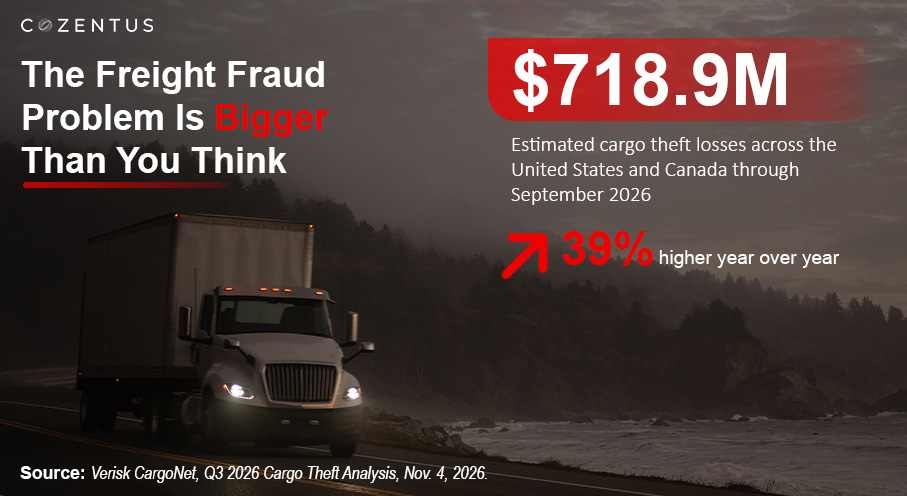
According to Verisk CargoNet's Q3 2026 report, fictitious pickups accounted for approximately 1 in 4 reported supply-chain crime incidents, up from 18% in Q3 2025. That's why freight fraud prevention needs more than background checks.
With AI shipment monitoring, you can track carrier behaviour, identify unusual route changes, and flag suspicious shipment activity throughout transit.
In this blog, we'll look at where traditional carrier vetting falls short, the warning signs freight forwarders should watch for, and how continuous shipment monitoring can help prevent freight fraud and protect valuable cargo.
Carrier Vetting: What Gets Checked & What Does Not
Before assigning a load, freight forwarders usually check whether a carrier is legitimate and meets the required standards. This process is known as carrier vetting.
What Gets Checked:
- MC Number: Checking the carrier's Motor Carrier operating authority.
- USDOT Number: Verifying registration and safety information.
- Insurance Details: Checking whether the carrier has valid coverage.
- Business Information: Confirming company details and contact information.
- Operating History: Reviewing safety records and previous performance.
What Gets Missed:
- Driver Changes: Whether the assigned driver is the one arriving for pickup.
- Vehicle Changes: Whether the actual truck matches booking details.
- Route Deviations: Unexpected stops or changes in shipment routes.
- Identity Misuse: Someone using a legitimate carrier's credentials.
- Shipment Changes: Unauthorized pickup or delivery modifications.
These checks help establish trust during onboarding, but they don't guarantee shipment security. Without continuous monitoring, suspicious activity after carrier approval can easily go unnoticed.
Looking for Custom AI Solutions?
Common Freight Fraud Risks to Watch For
Freight fraud comes in different forms. Some of the common risks include:
- Carrier Identity Theft: Fraudsters use the details of legitimate carriers, including MC numbers and business information, to impersonate them and secure shipments.
- Double Brokering: A carrier accepts a load and passes it to another carrier without proper authorisation or the knowledge of the original broker.
- Unauthorized Pickups: Someone pretending to be an approved carrier or driver arrives at the pickup location and collects the cargo.
- Load Diversion: A shipment is moved away from its planned route or delivery location without proper approval.
- Credential Changes: Fraudsters change carrier contact details or payment information to gain control of an existing business relationship.
For freight forwarders, stolen cargo, financial losses, insurance disputes, and unhappy customers can quickly turn one fraudulent shipment into a much bigger problem.
What Should You Monitor After Carrier Approval?
Getting a carrier approved is only the first step. Freight forwarders also need to pay attention to what happens after a load is assigned.
Here are some warning signs you should definitely monitor:
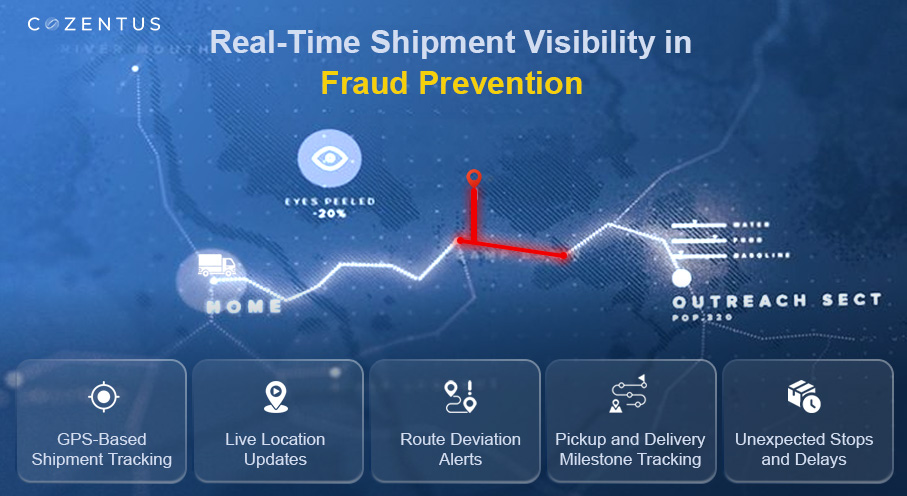
- Unexpected Route Changes: Is the truck moving away from the planned route? Are there unusual stops or unexplained changes in direction?
- Location Mismatches: Does the vehicle's GPS location match the expected pickup, transit and delivery milestones?
- Driver and Vehicle Changes: Does the driver arriving at the pickup location match the assigned driver? Are the vehicle details consistent with the booking?
- Unusual Communication: Has the carrier suddenly started using a different phone number, email address or contact person?
- Unexpected Delivery Changes: Is someone requesting a different delivery address or changing shipment instructions without proper verification?
One unusual activity does not mean it's fraud. Traffic, road closures, and operational issues can cause genuine delays and route changes. However, when several warning signs appear together, you need to have a closer look at the shipment.
How AI Shipment Monitoring Prevents Freight Fraud
Honestly, operations teams cannot manually investigate every location update, route change, and carrier communication across hundreds of shipments. It’s not very convenient.
This is where AI shipment monitoring can help.
By analysing information from GPS tracking, Transportation Management Systems (TMS), carrier records, and shipment milestones, AI can identify unusual patterns and inform the operations teams.
For example, AI can help with:
- Route Monitoring: Flagging unexpected route deviations and unusual stops.
- Carrier Behaviour Analysis: Comparing current activity with historical carrier behaviour.
- Identity Checks: Highlighting mismatches in driver, vehicle, and pickup information.
- Risk Alerts: Notifying teams when suspicious shipment activity is detected.
- Risk Scoring: Prioritising shipments based on multiple warning signs.
Consider a shipment travelling from Chicago to Dallas. The truck suddenly moves away from its planned route, followed by a request to change the delivery address from an unfamiliar contact number.
Both events need to be checked. AI can easily connect these signals and alert the operations team to investigate.
This gives teams more time to respond, reduces repetitive manual checks, and helps prevent potential losses.
Build Better Freight Fraud Prevention Practices
Technology can certainly help, but freight forwarders also need clear processes to manage carrier and shipment risks.
A few practical steps can make a difference:
- Review carrier authority, insurance, and contact details regularly.
- Verify driver identity and vehicle information before releasing cargo.
- Monitor shipment locations and unexpected route changes.
- Set alerts for unusual pickup, transit, and delivery activity.
- Confirm delivery address changes through trusted communication channels.
- Maintain records of shipment updates, alerts, and investigations.
By combining carrier vetting, shipment visibility, and automated risk monitoring, the operations teams can have a better understanding of what’s happening across their loads.
That’s what we tell our customers at Cozentus, because that’s what helps logistics teams act before a small warning sign becomes an expensive problem.
Stop Relying Only on Carrier Approval
Carrier vetting will always be necessary. Freight forwarders need to know who they are working with before handing over their valuable cargo.
But approval at onboarding should not mean you should automatically trust them on every future shipment. Carrier identities can be misused, drivers can change, and shipments can take unexpected turns.
Combining proper carrier verification with continuous AI shipment monitoring helps businesses improve freight security.
So, ask yourself: Are you monitoring what your carriers are doing on every load, or are you still relying on checks completed when they first signed up?
Because the next freight fraud incident could involve a carrier your business has already approved.
FAQs
1. What is carrier vetting in freight forwarding?
Ans: Carrier vetting is the process of checking a transportation provider before assigning a shipment. It includes verifying operating authority, MC, and USDOT numbers, insurance, business details and safety records.
2. How can freight forwarders prevent freight fraud?
Ans: Freight forwarders can reduce fraud risks by verifying carrier credentials, checking driver and vehicle identities, monitoring shipment movements and investigating unexpected changes. Regular carrier reviews and automated alerts also help.
3. How does AI help detect freight fraud?
Ans: AI analyses shipment locations, carrier information, GPS data, and historical activity to identify unusual patterns. It can flag unexpected route changes, location mismatches and suspicious shipment activity.
4. Why is shipment monitoring important for freight fraud prevention?
Ans: Shipment monitoring helps freight forwarders track what happens after a carrier receives a load. It provides visibility into route changes, unexpected stops, delivery updates, and other activities that may indicate a security risk.